


Introduction
A good home should do more than look attractive. It should support healthy routines, reduce stress, and make daily tasks easier. Problems such as poor lighting, damp corners, blocked vents, or messy storage can affect comfort and safety. You can address many of these concerns without resorting to costly renovations. This guide shares practical DrHomey handy tips for creating a cleaner, healthier, and more useful living space in 2026. By improving one room at a time, you can protect your home, control costs, and enjoy better daily living.
Begin With a Quick Home Check
Walk through every room before buying paint, furniture, or smart devices. Look for dripping taps, loose handles, water marks, dark work areas, blocked vents, and cluttered paths. Write down each problem and place safety concerns first. The most useful DrHomey handy tips begin with issues that may cause injury or damage. Repair leaks, unstable furniture, damaged outlets, and poor ventilation before making decorative changes.
Use this quick checklist
- Look under sinks for water.
- Test doors, windows, and locks.
- Keep air vents clear.
- Remove objects from stairs and halls.
- Notice musty smells or unusual cracks.
Improve Indoor Air Quality
Indoor air may contain dust, cooking smoke, pet hair, moisture, and strong cleaning smells. Better airflow can make rooms feel fresher and help control dampness. Helpful DrHomey handy tips include using kitchen and bathroom fans, opening windows when the outdoor air is suitable, and changing filters as directed. An air purifier may help in one room, but it cannot repair a leak or replace proper ventilation.
Build these healthy habits
- Run the extractor fan while cooking.
- Air bedrooms for a short time each day.
- Clean vent and fan covers.
- Avoid smoking indoors.
- Limit the use of strong sprays.
Removing the source of indoor pollution enhances the effectiveness of these DrHomey handy tips.
Control Moisture Before Mold Appears
A small leak may damage paint, wood, flooring, cupboards, and walls. Damp areas can also produce unpleasant smells and encourage mold growth. One of the most important DrHomey handy tips is to inspect wet areas every month. Check sinks, toilets, washing machines, windows, roofs, and bathroom corners. Dry spills quickly and repair the water source. Never paint over a damp patch without finding the cause.
| Warning Sign | Possible Cause | First Step |
| Peeling paint | Hidden moisture | Find the water source |
| Musty smell | Damp area | Check nearby surfaces |
| Water drops on windows | Poor airflow | Improve ventilation |
| Water under a sink | Loose pipe or seal | Turn off the water |
Call a professional when water is close to electricity, mold covers a large area, or a leak is hidden inside a wall. Safe DrHomey handy tips should always include clear DIY limits.
Use Lighting That Matches the Task
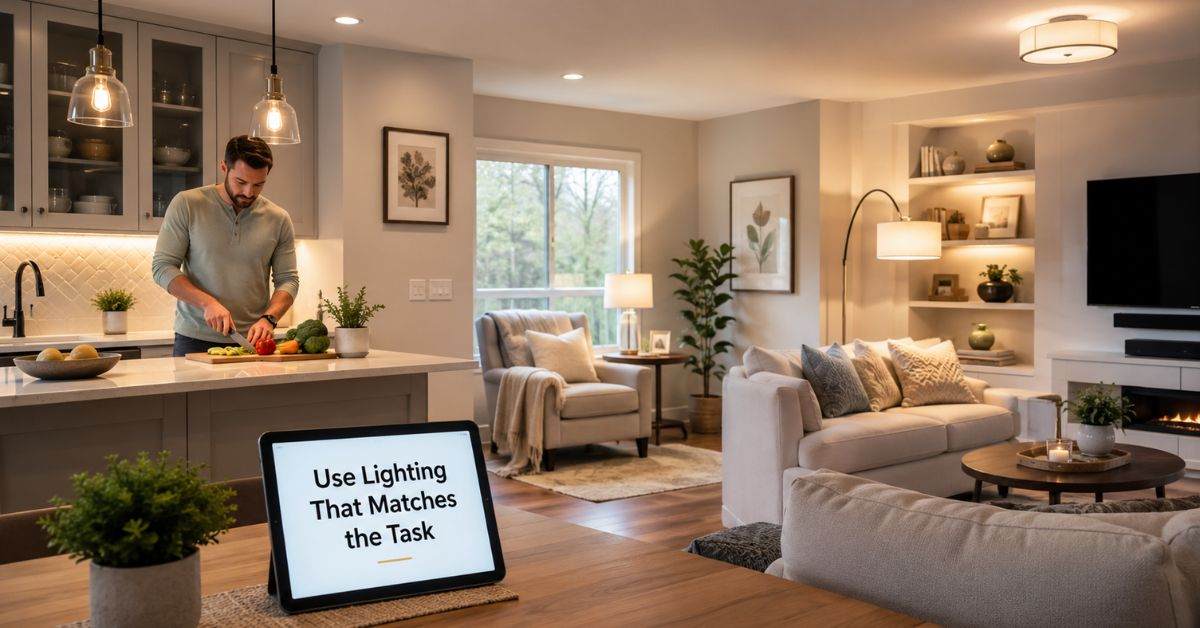
Lighting affects safety, mood, comfort, and concentration. Most rooms work better with general light for movement, task light for work, and softer light for relaxation.
Practical DrHomey handy tips for lighting include the following:
- Add a lamp beside a reading chair.
- Place brighter lighting above kitchen counters.
- Use night lights near stairs and hallways.
- Move computer screens away from glare.
- Choose warmer lighting for bedrooms.
Contact an electrician if a switch becomes hot, lights flicker often, or a circuit repeatedly turns off. These signs may indicate an electrical fault that a beginner should not attempt to fix.
Organize Storage Around Daily Life
Good storage keeps items close to their point of use. Daily objects should be easy to reach, while seasonal items can be placed on higher shelves or inside labeled boxes. Simple zones should be created, according to DrHomey’s helpful storage-focused advice. Keep keys near the entrance, cooking tools near the worktop, cleaning products together, and school supplies in one study area. Measure shelves before buying containers.
| Storage Method | Best For | Main Benefit |
| Drawer dividers | Small household items | Reduces mixed clutter |
| Wall hooks | Bags, coats, and keys | Saves floor space |
| Clear boxes | Seasonal belongings | Easy to identify |
| Open baskets | Everyday products | Allows quick access |
Useful DrHomey handy tips should make routines faster instead of creating more containers to manage.
Make Cleaning Easier
Cleaning takes less effort when small jobs are completed before dirt builds up. Wipe spills after cooking, hang towels where they can dry, and return items after using them.
Follow these DrHomey handy tips:
- Clean one busy surface each day.
- Empty bins before they overflow.
- Dry wet bathroom floors.
- Wash reusable cleaning cloths.
- Keep cleaners in their original bottles.
Never mix cleaning chemicals unless their labels clearly allow it. Keep all cleaning products away from children and pets. Good DrHomey handy tips protect people as well as household surfaces.
Save Energy and Use Smart Devices Wisely
Start with low-cost changes before purchasing expensive equipment. Turn off unused lights, use LED bulbs, clean appliance filters, repair dripping taps, and seal gaps around windows or doors. Schedules for heating and cooling should be adjusted to prevent systems from operating when not in use. Energy-saving DrHomey handy tips also support the careful use of smart technology. A leak sensor, motion light, or smart thermostat can be useful when it solves a real household problem. Before buying a smart device, check whether it needs a monthly payment, receives security updates, and works during an internet failure. Start with one device instead of creating a complicated system. Change default passwords and use extra account protection when available.
Know When to Hire a Professional
Painting, organizing drawers, tightening cabinet handles, replacing a matching bulb, or sealing a small non-structural gap may suit careful beginners. However, DrHomey handy tips should never encourage dangerous work. Electrical panels, gas lines, structural walls, major roof repairs, serious water damage, and widespread mold require trained professionals.
Build this simple maintenance routine:
- Weekly: clear clutter and check visible leaks.
- Monthly: test alarms and inspect under sinks.
- Seasonally: inspect gutters, seals, heating, and cooling.
- Yearly: review appliances and emergency plans.
- Immediately: act on urgent safety problems.
FAQs
What home improvement should I do first?
Start with an active leak, electrical danger, poor ventilation, or another issue that could cause injury or property damage.
How can I improve my home cheaply?
Declutter one zone, clean vents, repair loose hardware, add task lighting, and create a simple maintenance schedule.
Are smart-home devices necessary?
No. Buy a device only when it solves a clear problem involving energy, leaks, lighting, access, or safety.
How often should I inspect my home?
Complete a quick check every month and a deeper inspection at the beginning of each season.
When should I hire a professional?
Get expert help for electrical, gas, structural, roofing, hazardous-material, or major water-damage work.
Conclusion
A healthier and more functional home is created through regular care, not one huge renovation. Begin with a room-by-room check, then handle safety, moisture, air quality, lighting, and storage. Improve cleaning habits, reduce wasted energy, and add smart devices only when they serve a clear purpose. The value of DrHomey handy tips comes from their practical approach. They help you notice small problems early and make sensible improvements without wasting money. Choose one room today, list three concerns, and complete the safest task first. Continue with one small upgrade each week, and your home can gradually become cleaner, calmer, safer, and easier to manage.