

Introduction
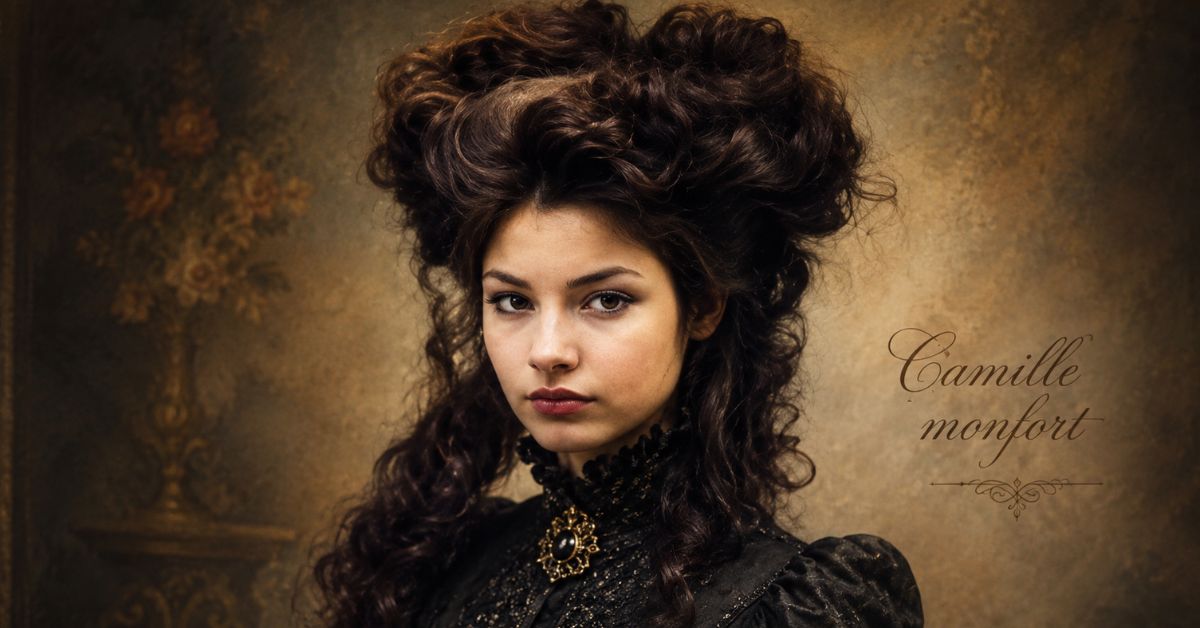
Camille Monfort is one of the most mysterious names linked to gothic celebrity folklore. Her story is often told as the tale of a young, pale, beautiful French singer who captured attention in Belém, Brazil. People said her voice enchanted rich audiences, while jealous wives feared her charm. Because of her pale look, black clothing, and late-night walks, she became known online as “The Amazonian Vampire.”
But this story needs careful reading. Real places, like Theatro da Paz in Belém, connect some details. Other parts sound more like legend, fiction, or internet storytelling. This article explains the story in simple English, separates fact from rumor, and helps readers understand why this gothic celebrity tale is still popular in 2026.
Who Was the Amazonian Vampire?
It is preferable to think about The Amazonian Vampire as a gothic legend rather than a thoroughly verified historical account. Many online stories describe a beautiful French opera singer who became famous in Belém during the rubber-boom era. However, some folklore sources suggest a connection between the story and fiction, as well as modern internet mythmaking, rather than verified records.
This does not make the story useless. It makes it more captivating. The tale shows how beauty, fame, fear, jealousy, and mystery can turn a performer into a legend. For readers, the best approach is to enjoy the drama while clearly understanding what is confirmed and what is not.
Why This Legend Became So Popular
The story spread because it feels like an old celebrity scandal. It has glamour, music, rich society, jealous rivals, a young woman with unusual beauty, and a dark nickname. People are curious to learn more because of these details.
Readers usually search for this topic because they want to know:
- Was the singer real or fictional?
- Why was she called a vampire?
- Are the old-looking photos real?
- What happened in Belém, Brazil?
- Why is this legend going viral again?
This is why the topic works well in the celebrity niche. It is not just about one individual. It is about image, reputation, gossip, and how the public creates myths around famous or mysterious figures.
The Real Setting: Belém and Theatro da Paz
One reason the legend feels believable is its setting. Belém is a real city in northern Brazil, and Theatro da Paz is a real historic theater. UNESCO describes Teatro da Paz as one of the important Amazonian theaters connected with wealth, culture, and European-style architecture during the Amazon rubber boom.
The theater provides the story a strong background. During the rubber-boom period, cities like Belém and Manaus became wealthy and built grand cultural spaces. Opera houses were symbols of power, taste, and luxury. A mysterious singer performing in such a place sounds believable because the setting itself is dramatic.
| Element | What Is More Reliable | What Needs Caution |
| Belém, Brazil | Real historic city | Details of the singer’s life are unclear |
| Theatro da Paz | Real theater with cultural importance | Specific performance records need proof |
| Rubber-boom wealth | Real historical background | Celebrity gossip may be exaggerated |
| Vampire nickname | Popular part of the legend | Not a factual claim |
The Story People Tell
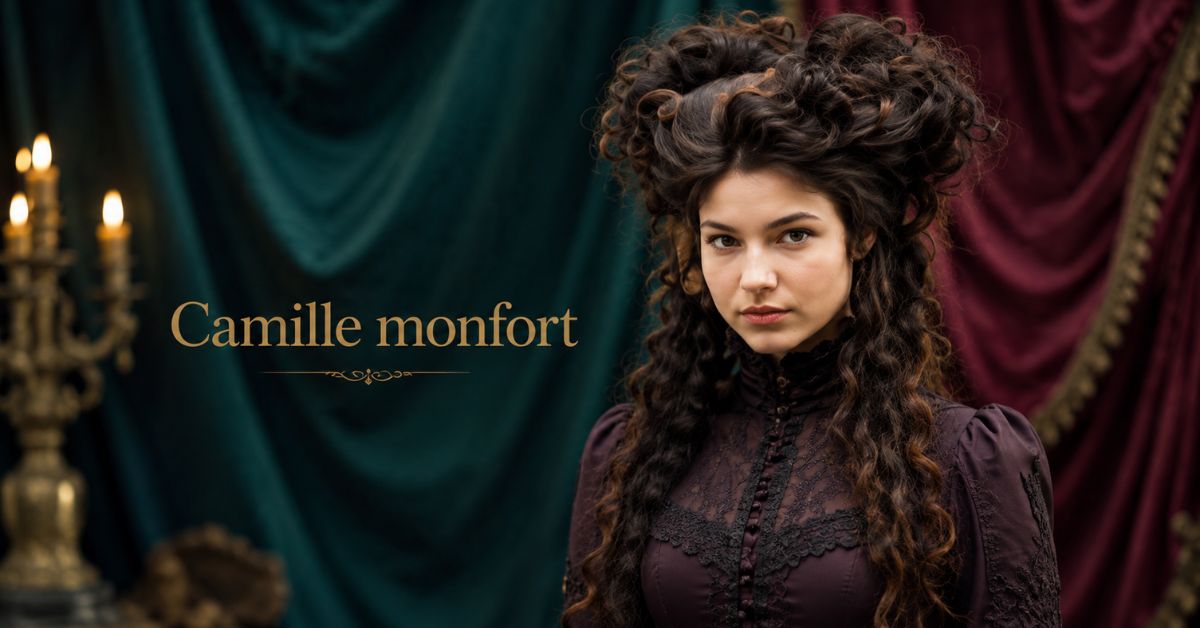
In the popular version, Camille Monfort arrived in Belém and quickly became the subject of attention. Her voice was said to be powerful, emotional, and almost hypnotic. Men admired her, while some women feared her influence.
The darker part of the story says Camille Monfort walked at night near the river, wore black dresses, and had a strange pale beauty. Over time, people began calling her “The Amazonian Vampire.” Some versions even claim that audiences fainted when she sang or that she had a supernatural power over people.
These are common elements in the legend:
- A beautiful singer from France
- A haunting voice that impressed audiences
- Rich men who admired her
- Jealous wives who spread rumors
- Night walks through Belém
- Pale skin, black clothes, and vampire gossip
These details are powerful for storytelling, but they should not be treated as proven facts without strong historical records.
Fact vs. Folklore
The most important thing for writers and readers is to separate the real background from the legendary claims. The theater and city are real. The vampire story is folklore. The exact biography is disputed.
| Claim | Better Explanation |
| She was a famous opera singer | Often repeated online, but not strongly verified |
| She performed at Theatro da Paz | Possible in legend, but needs archival proof |
| She was a real vampire | Folklore, not history |
| Old portraits prove she existed | Many images may be edited, fictional, or AI-style |
| The story is still popular | True, because it works as gothic celebrity content |
This balanced approach helps your article become more trustworthy. Google and readers both value clear separation between fact, opinion, and legend.
Why People Believed the Rumors
The vampire label may tell us more about society than about the woman in the story. In older social settings, independent women were often judged harshly. A woman who performed on stage, attracted male attention, and walked alone at night could easily become the subject of gossip.
Instead of simply saying Camille Monfort was talented and confident, people may have turned her into something dangerous. This often happens in folklore. A woman who does not follow social rules becomes a witch, ghost, vampire, or temptress. That is why the Amazonian vampire legend is more than a spooky tale. It also demonstrates the unfairness of fame. Beauty can become a burden. Talent can become suspicion. Public attention can quickly turn into rumors.
FAQs
Was Camille Monfort real?
There is no strong proof. Camille Monfort is best treated as a gothic folklore figure.
Why was Camille Monfort called the Amazonian Vampire?
The nickname came from stories about her pale face, night walks, black clothes, and mysterious beauty.
Is the viral photo real?
It should not be trusted as proof. It may be edited, fictional, or AI-generated.
Where is the legend set?
The story is linked with Belém, Brazil, and the historic Theatro da Paz.
Can I write about this story on my blog?
Yes, but describe it as legend or folklore, not confirmed biography.
Conclusion
Camille Monfort remains a powerful figure in online folklore because her story mixes beauty, music, mystery, jealousy, and fear. The setting of Belém and Theatro da Paz provides the legend a rich historical feeling, but many claims about her life and vampire identity are still unverified.
The best way to understand this story is to treat it as gothic celebrity folklore, not confirmed biography. Readers can enjoy the mystery while staying careful about fake images, repeated rumors, and exaggerated claims. Before sharing or writing about this legend, always explain that it is a mysterious tale shaped by history, imagination, and internet storytelling.