

Introduction
Food is more than taste. It carries memory, culture, family habits, and local identity. Some dishes become famous because they are served in restaurants. Others become intriguing because people hear the name and want to know the story behind it. “Anheihe” is one of those terms that feels mysterious, warm, and connected to traditional cooking.
Many readers search for anheihe because they want to understand whether it is a dish, a cultural food idea, or a regional specialty. The clearest way to understand it is as a heritage-style culinary gem linked with simple ingredients, slow cooking, and rich flavor. It is often described as comforting, savory, and meaningful. This guide explains its possible meaning, food style, taste, ingredients, cultural value, and modern appeal in 2026.
What Is Anheihe?
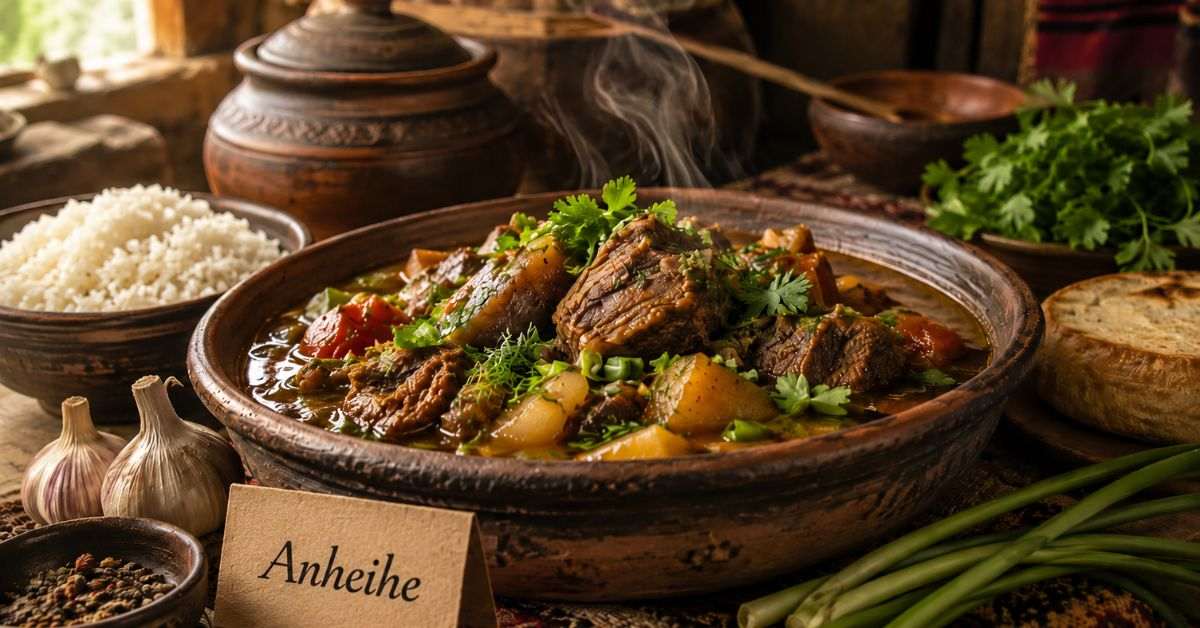
“Anheihe” is an obscure culinary phrase frequently associated with a traditional cuisine or regional gastronomic culture. It is not as widely documented as globally famous foods, so there may not be one fixed recipe or official version. That aspect contributes to its intrigue. In food writing, anheihe can be explained as a rustic, home-style dish made with local ingredients. It may include meat, vegetables, herbs, spices, and a warm sauce or broth. The focus is not only on what is inside the bowl. The real value comes from the story, the cooking method, and the feeling of comfort it gives.
A helpful way to describe it is this: it is a cultural food idea that represents slow cooking, shared meals, and local taste. Instead of being a quick meal, it feels like something made with patience.
Why People Are Curious About This Food
People are curious about “anheihe” because the word is unusual and has limited clear information online. When a food name is not common, readers often want a direct answer. They want to know what it means, where it comes from, and whether they can try it at home. This curiosity also connects with a bigger food trend in 2026. Many people are moving away from plain fast food and searching for meals with culture, history, and real ingredients. They want dishes that feel personal and meaningful.
Here are the main reasons people search for this topic:
- They want to know the meaning of the name.
- They are looking for a possible recipe or flavor guide.
- They are interested in traditional food and cultural dishes.
- They are keen to discover hidden or lesser-known culinary gems.
Possible Origins and Cultural Background
The exact origin of anheihe is not fully confirmed in popular food sources. Some online descriptions connect it with a traditional dish, while others treat the word more broadly. Because of this uncertainty, it is better to avoid making strong claims without proof. Still, the idea behind the dish fits many older food traditions. In rural and family kitchens, people often used what was available. They cooked seasonal vegetables, simple proteins, herbs, spices, and preserved ingredients. Long cooking helped turn basic food into something rich and filling.
This kind of dish usually grows from everyday life. It may be linked with family meals, cold weather cooking, community gatherings, or local celebrations. That is why anheihe should be understood not only as food but also as part of a cultural story.
How It May Be Cooked
Anheihe is best imagined as a slow-cooked meal. Slow cooking helps ingredients soften and blend together. It also creates a deeper taste without needing too many artificial flavors. Common cooking methods may include stewing, braising, simmering, or steaming. These methods are popular in many traditional kitchens because they are simple and practical. They also allow families to cook larger portions for sharing.
The dish can be prepared in a clay pot, deep pan, or regular cooking pot. First, the cook may prepare the aromatics such as onion, garlic, or ginger. Then the protein and vegetables are added. After that, broth or sauce is poured in, and the dish cooks slowly until the flavor becomes rich.
Why This Dish Feels Special
The special value of anheihe comes from its connection to heritage foods. It is not only about eating. It is about memory, place, and tradition. Foods like these often remind people of home, family, and older cooking habits.
A dish can become meaningful when:
- It is cooked for family gatherings or special days.
- It uses local ingredients from the region.
- It carries a story passed from older people to younger people.
- It brings people together around one shared meal.
This is why traditional dishes often stay important even when modern food trends change. They give people a sense of belonging.
Health and Balanced Eating
Anheihe can be made in a balanced way if the cook chooses ingredients carefully. Since the dish may be rich, the best approach is to use fresh food and avoid too much salt or oil. A balanced version may include lean protein, plenty of vegetables, and a lighter broth. People who do not eat meat can use tofu, beans, mushrooms, or lentils. These ingredients still give texture and flavor.
To Make It Healthier
- Use more vegetables than meat.
- Choose fresh herbs instead of artificial flavoring.
- Serve with brown rice, whole grains, or a light salad.
- Control salt and add flavor with spices instead.
This keeps the dish satisfying while improving it for everyday eating.
Serving Ideas for Home Cooks
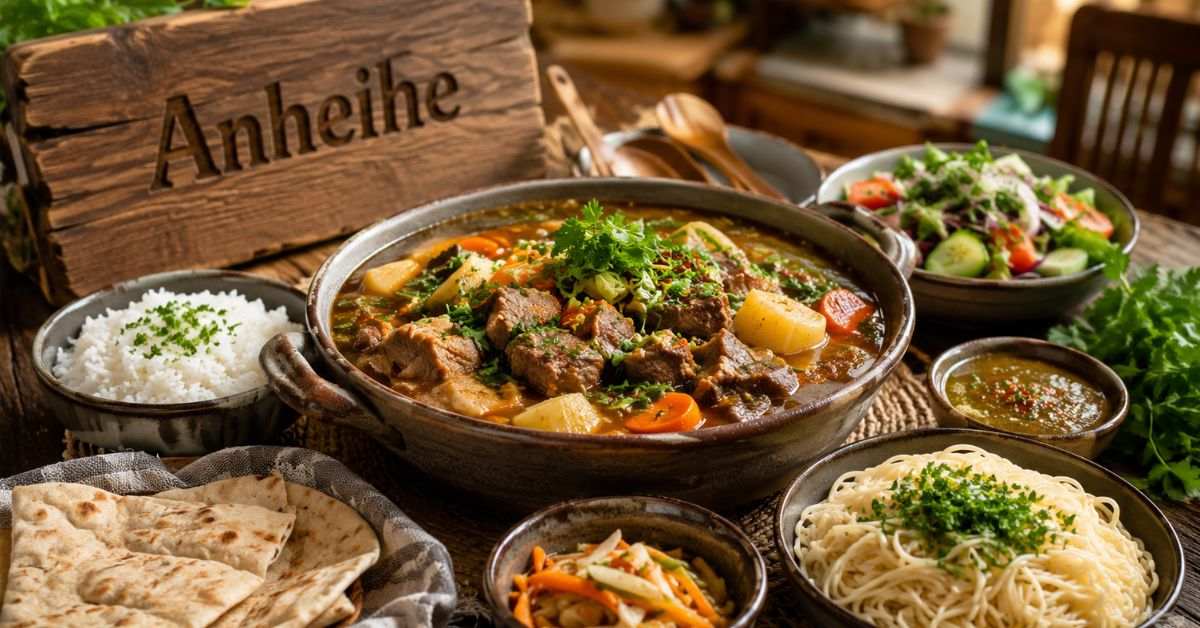
Anheihe can be served in many ways. Since it is usually imagined as a warm and hearty dish, it works well as a main meal. It can be placed in a deep bowl with rice, noodles, or bread on the side. For a family meal, serve it in the center of the table so everyone can share. Add fresh herbs on top for color. If the dish is spicy, pair it with something mild, such as steamed rice or plain bread. If the dish is mild, add pickled vegetables or chili oil for extra flavor. The best serving style is simple. Let the main dish stay at the center. Avoid too many side dishes that take attention away from its warm and traditional character.
How to Write About This Food Responsibly
Because “anheihe” is not widely verified as one fixed global recipe, writers should be careful. Do not claim exact history if you cannot prove it. Do not present guesses as facts. A better method is to explain the uncertainty clearly. A strong article should connect the term to a mysterious culinary idea, traditional food interest, and possible regional cooking. This builds trust with readers. It also helps the article feel honest and useful. Food content becomes better when it respects culture. Writers should avoid copying weak online claims. Instead, they should explain taste, possible ingredients, cooking style, and cultural meaning in a clear way.
FAQs
What is Anheihe?
It is a lesser-known culinary term often linked with a traditional dish or food culture.
Is Anheihe a real dish?
It is described online as a dish, but there is no single fully confirmed official recipe.
What does Anheihe taste like?
It is usually described as savory, warm, earthy, and comforting.
Can I cook it at home?
Yes, you can make a home-style version with protein, vegetables, spices, and broth.
Why is Anheihe called a culinary gem?
It feels special because it connects mystery, tradition, local flavor, and cultural food stories.
Conclusion
“Anheihe” is a fascinating culinary term because it brings together food, mystery, and culture. It may not have one clearly confirmed recipe, but it can still be understood as a heritage-style dish built around local ingredients, slow cooking, and comforting flavor. That makes it valuable for readers who enjoy traditional meals and cultural food stories.
In 2026, people want food that feels real, meaningful, and connected to its roots. This dish fits that interest because it offers more than taste. It offers a story. Whether you are a home cook, food blogger, or curious reader, the best way to explore it is with respect, honesty, and creativity. Try making your own version with fresh ingredients, then share the story behind the meal.