

Introduction
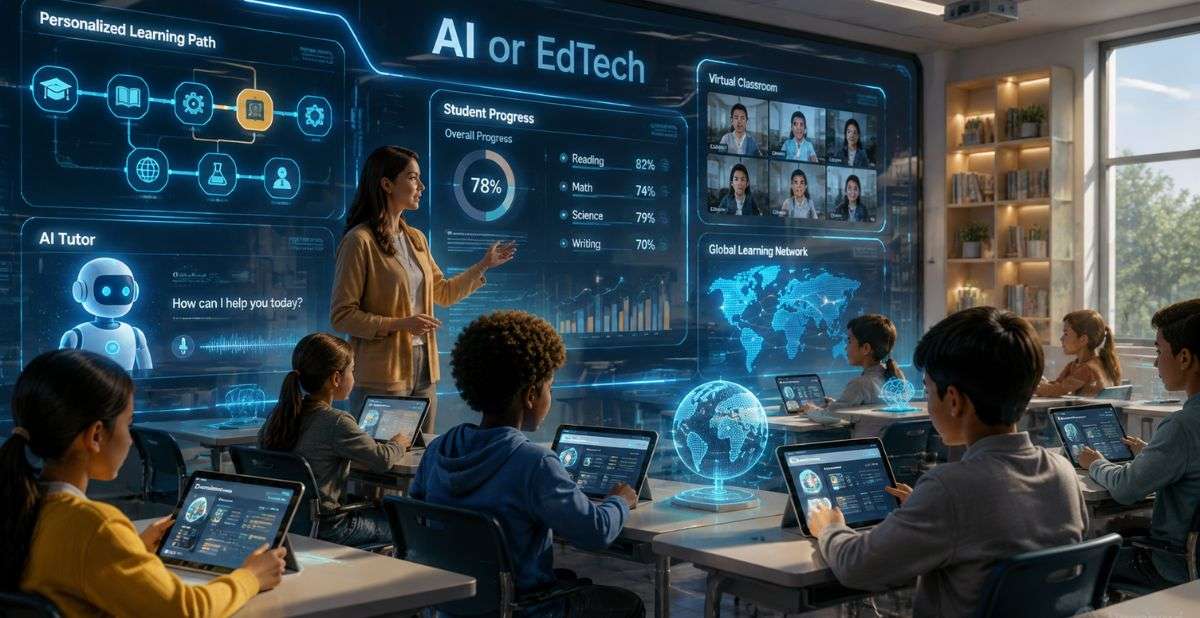
Education is entering a new digital era where technology is helping students learn in smarter and more effective ways. AI or EdTech combines artificial intelligence with educational technology to create better learning experiences for students, teachers, and institutions. Instead of using the same teaching method for every learner, modern education tools can understand individual needs and provide personalized support.
From virtual tutors and automated grading systems to adaptive learning platforms, artificial intelligence is making education more flexible and accessible. Students can receive quick feedback, practice difficult topics, and learn at their pace. Teachers can also use these tools to reduce repetitive tasks and spend more time helping students. However, using smart education technology also brings challenges such as privacy concerns, costs, and the need for proper teacher training. Understanding both the advantages and problems can help schools use these solutions responsibly and effectively.
What Is AI or EdTech?
AI or EdTech refers to the use of artificial intelligence tools in education to improve teaching and learning. These systems use data, automation, and machine learning to understand student behavior and provide better educational support. Traditional classrooms usually follow a fixed learning style, where all students receive the same lessons at the same speed. However, every student learns differently. Some students understand concepts quickly, while others need extra explanations and practice. Artificial intelligence helps solve this problem by creating personalized learning experiences. These platforms can analyze student performance, identify weak areas, and recommend suitable learning materials.
Some common features of intelligent education systems include:
- Personalized lesson recommendations
- Automated feedback and grading
- Virtual learning assistants
- Student progress tracking
- Accessibility tools for different learners
The goal is not to replace teachers but to support them. Teachers remain responsible for guidance, creativity, motivation, and emotional support.
Main Uses of Artificial Intelligence in Education
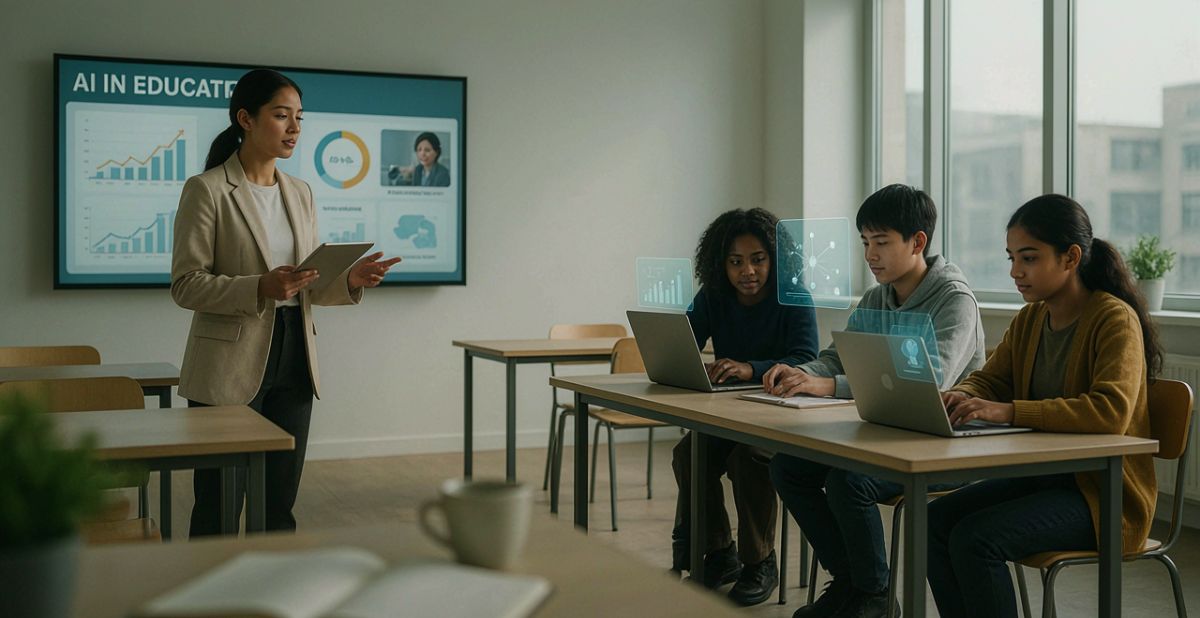
Technology: Many areas of education utilize technology. Schools, universities, and online learning platforms are adopting smart tools to improve learning quality and save time.
Personalized Learning
One of the biggest advantages of AI-powered education is personalized learning. These systems study how students perform and adjust lessons according to their needs. For example, if a student struggles with mathematics, the system can provide additional exercises and explanations. If another student understands quickly, AI or EdTech can offer advanced activities.
Virtual Tutors and Learning Assistants
AI-based tutors provide support outside normal classroom hours. Students can ask questions, receive explanations, and practice skills whenever they need help. These tools are especially useful for online learners who may not always have direct access to teachers.
Automated Testing and Grading
Teachers often spend many hours checking assignments and exams. Smart assessment tools can help by reviewing answers and providing quick feedback. This allows teachers to focus more on classroom discussions and student improvement.
Educational Content Creation
Teachers can use artificial intelligence tools to prepare:
- Lesson plans
- Practice questions
- Study materials
- Learning activities
This saves preparation time and improves teaching efficiency.
Traditional Learning vs. AI-Based Learning
| Feature | Traditional Learning | AI-Based Learning |
| Teaching style | Same method for all students | Personalized learning paths |
| Feedback | May take longer | Quick and automatic |
| Student tracking | Limited information | Detailed progress reports |
| Teacher workload | More manual work | More automated support |
| Learning speed | Fixed classroom pace | Student-focused pace |
Benefits of AI-Powered Education
The use of smart learning technology creates benefits for both students and teachers. AI or EdTech improves access to education and makes learning more engaging.
Benefits for Students:
Better Learning Experience
Students receive lessons that match their abilities and interests. This makes difficult topics easier to understand.
Faster Feedback
Instead of waiting days for results, students can receive immediate responses and correct their mistakes quickly.
Flexible Education
Online platforms allow students to learn from different locations and study according to their schedules.
Benefits for Teachers
Teachers can use AI tools to reduce repetitive tasks and improve classroom management.
Important advantages include:
- Less time spent on grading
- Better understanding of student progress
- Easier lesson planning
- More time for student interaction
Common Challenges of AI or EdTech
Although artificial intelligence provides many benefits, schools must also consider possible problems before using these systems.
Data Privacy Issues
Educational platforms collect information about students, such as learning habits and academic performance. Protecting this data is important to maintain trust.
Schools should use:
- Secure systems
- Strong privacy policies
- Responsible data handling practices
High Costs
Advanced learning technology can require investment in software, devices, internet services, and training. Small schools may find it difficult to adopt these solutions without financial support.
Teacher Training Problems
Teachers need proper training to understand how to use digital tools effectively. Without guidance, technology may not provide the expected benefits.
Accuracy and Bias Concerns
AI systems depend on data. Incorrect or unfair data can lead to inaccurate results. Human supervision is still necessary to make important educational decisions.
Solutions for Successful AI Adoption in Education
Schools can overcome these challenges by following a careful approach.
Provide Teacher Training
Teachers should receive regular training to understand new tools and use them confidently.
Protect Student Information
Educational organizations should follow strong security practices to keep student data safe.
Combine Technology With Human Teaching
The best results come from combining artificial intelligence with human expertise. Teachers should continue guiding students and encouraging creativity.
Start With Small Projects
Schools can begin with simple tools before investing in larger systems. This helps identify what works best for students and teachers.
Future Trends of Smart Learning in 2026
The future of education will focus on combining human teaching skills with advanced technology. In 2026, more institutions are expected to use intelligent learning systems for personalized education and better student support.
Important trends include
- AI-powered tutoring platforms
- Virtual classrooms
- Real-time learning analytics
- Language learning assistants
- Improved accessibility tools
Future education will likely become more flexible, allowing students to learn through a combination of classroom teaching and digital experiences.
Ethical Use of Artificial Intelligence in Education
Responsible use of technology is necessary for creating a fair learning environment. Schools should make sure that artificial intelligence supports students instead of creating new barriers.
Important ethical considerations include:
- Protecting student privacy
- Reducing algorithm bias
- Maintaining teacher involvement
- Ensuring equal access to technology
Artificial intelligence should be viewed as a helpful assistant rather than a complete replacement for human educators.
FAQs
What is AI or EdTech?
AI or EdTech combines artificial intelligence with educational technology to improve learning experiences and teaching methods.
How does AI help students learn?
AI or EdTech provides personalized lessons, quick feedback, and learning support based on individual student needs.
Can AI replace teachers?
No, while AI helps educators, AI or EdTech cannot take the role of human leadership, imagination, and emotional intelligence.
What are the biggest challenges of AI in education?
Common challenges include privacy risks, costs, teacher training, and possible technology bias.
Is AI useful for online learning?
Yes. AI helps online students through virtual tutors, personalized courses, and automated support.
Conclusion
AI or EdTech is transforming education by making learning more personalized, accessible, and efficient. Intelligent tools help students understand difficult concepts, receive faster feedback, and learn according to their own pace. Teachers also benefit because technology reduces repetitive tasks and provides useful information about student progress.
However, successful adoption requires careful planning. Schools must focus on data protection, teacher training, and responsible technology use. Artificial intelligence should work together with teachers instead of replacing them. As education continues to evolve in 2026, smart learning solutions will become an important part of modern classrooms. Schools, teachers, and learners should explore these technologies carefully and choose tools that create real educational value.