

Introduction
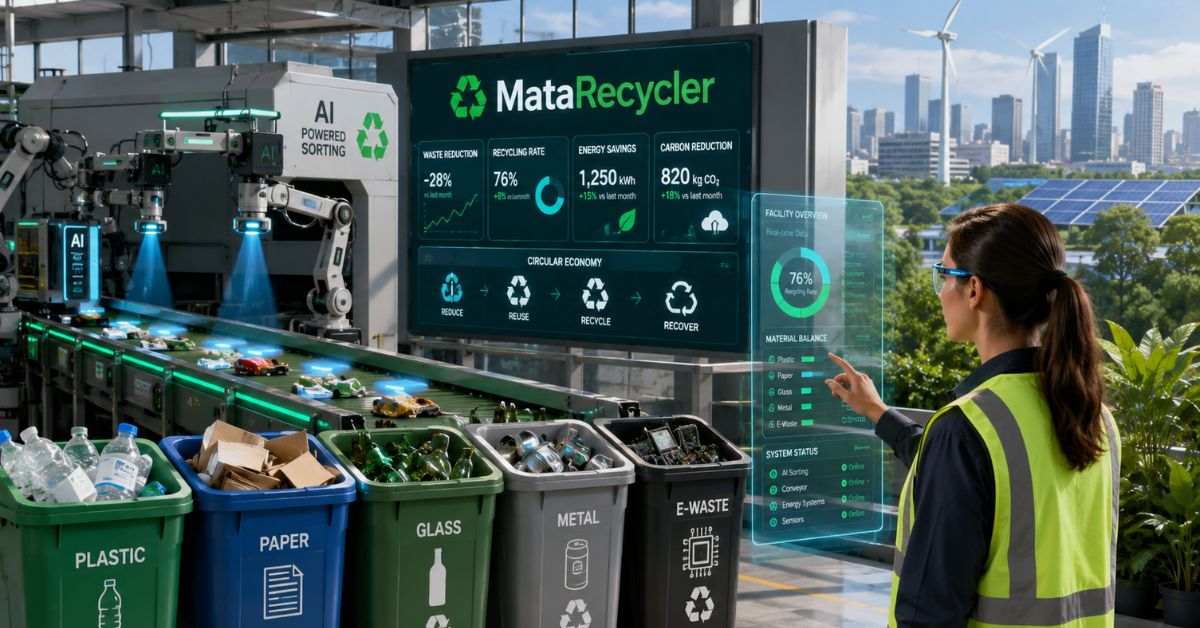
Recycling is no longer only about placing paper, plastic, glass, and metal into separate bins. In 2026, communities need smarter systems that reduce waste, improve sorting, and make every step easier to understand. MataRecycler represents this modern approach by combining digital guidance, smart sensors, and better waste tracking. It can help families, schools, businesses, and cities identify recyclable materials more accurately while reducing contamination. This matters because one dirty or wrongly sorted item can lower the value of an entire recycling load.
The biggest strength of this concept is its focus on practical action. Before discarding something, users might be given explicit instructions rather from depending solely on indications and conjecture. Better data can also help collectors plan routes, prevent overflowing bins, and recover more useful materials.The concept promotes cleaner neighborhoods, reduced resource use, and a more robust circular economy for the future by integrating technology with regular recycling practices.
What Is MataRecycler?
MataRecycler can be understood as a smart waste-management system. It may use cameras, scanners, or digital instructions to identify an item and suggest the correct bin. It may also record waste levels and full containers.
A complete platform may include:
- Smart bins with cameras or sensors
- An app explaining local recycling rules
- Alerts when containers need collection
- Data reports for homes, schools, or businesses
The main goal is to reduce sorting mistakes and keep useful materials in the recycling process.
Why Better Recycling Is Needed
Traditional recycling systems often fail because people are unsure about what belongs in each container. A plastic package may look recyclable, but its label, lid, or inner layer may use another material. Paper, cardboard, and other materials can be harmed by food and liquids. MataRecycler could help by giving clear guidance before an item enters the bin. Early sorting is usually easier and cheaper than removing contamination later at a recycling facility. Better instructions may also encourage more people to take part.
How the System Could Work
A smart recycling process can follow a simple path:
- The user scans or shows an item to the system.
- Software checks its shape, label, and material
- The screen recommends the correct container.
- Sensors record the item and bin levels.
- Workers receive an alert when collection is needed.
MataRecycler may also create reports showing common mistakes, popular waste types, and collection patterns. Managers can use these reports to improve signs, training, and pickup schedules.
Traditional Recycling and Smart Recycling
The following comparison shows how technology may improve common recycling tasks.
| Area | Traditional Recycling | Smart Recycling |
| Instructions | Printed labels | Digital item guidance |
| Bin checks | Manual inspection | Automatic sensors |
| Pickup times | Fixed schedule | Based on bin level |
| Waste records | Limited | Detailed digital reports |
| Sorting mistakes | Found later | Flagged earlier |
MataRecycler does not remove the need for workers. It gives staff better information to plan routes, maintain bins, and handle materials effectively.
Environmental Benefits
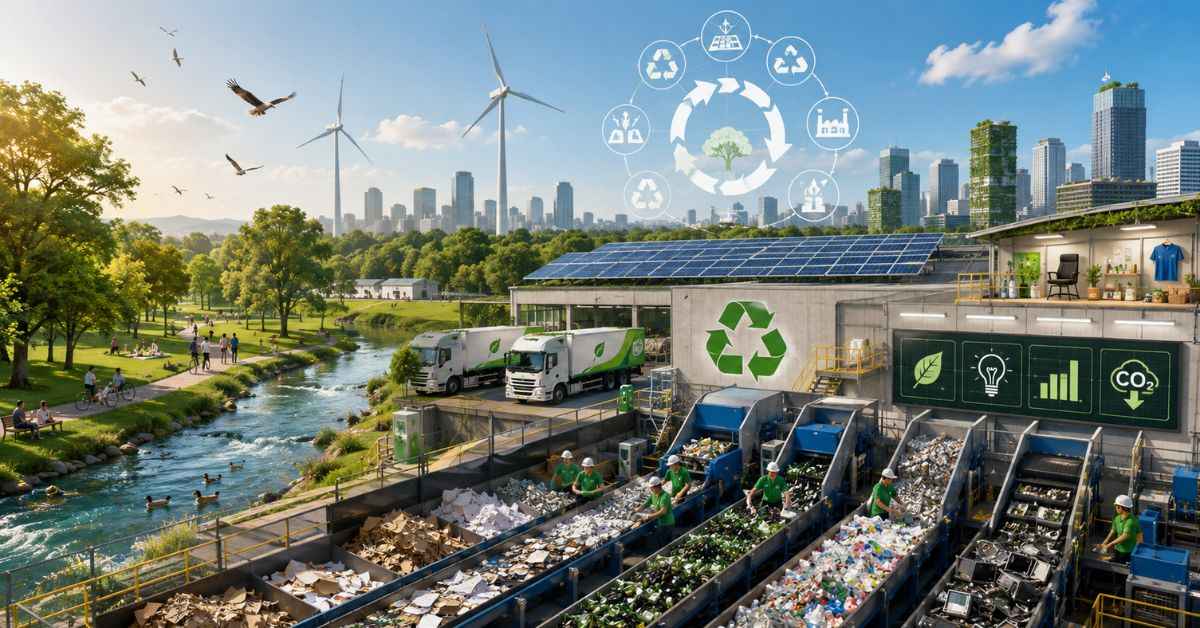
Cleaner sorting can provide several environmental benefits:
- Less recyclable waste sent to landfill
- Lower demand for new raw materials
- Reduced pollution from waste handling
- Better recovery of paper, glass, metal, and plastic
- Stronger support for a circular economy
MataRecycler may also remind people that recycling is only one part of responsible living. Reducing unnecessary purchases, reusing products, repairing damaged items, and choosing simple packaging are equally important.
Energy and Resource Savings
Making products from recovered materials can use less energy than making them from newly extracted resources. Reusing metal reduces the need for mining, while recycled paper can lower demand for fresh timber. MataRecycler could support these savings by improving material quality and reducing rejected loads. It may also improve collection routes and lower fuel use. However, smart bins and digital systems need electricity, internet access, repairs, and data storage. A responsible program should compare the energy it uses with the energy and materials it saves.
Who Can Use It?
Different groups may use MataRecycler in different ways.
- Families may receive clear disposal advice.
- Schools may teach through smart sorting stations.
- Businesses may track waste and reduce disposal costs.
- Cities may plan collections using real-time information.
- Recycling centers may receive cleaner material loads.
A small pilot project is the safest starting point. It allows an organization to test accuracy, cost, public response, and maintenance needs before buying more equipment.
Possible Challenges
No technology can solve every recycling problem. MataRecycler may make mistakes when items are dirty, damaged, dark, or made from several materials. It may also be expensive for small communities.
Other concerns include
- Privacy risks from cameras or user accounts
- Weak internet access in some areas
- Repair and software subscription costs
- Different recycling rules between cities
- Limited access for people without smartphones
A fair system should provide printed guidance as well as digital tools. It should also explain what information is collected and how it is protected.
How to Judge a Smart Recycling System
Before choosing MataRecycler or a similar platform, users should ask for evidence. Strong environmental claims should be supported by clear results, not only attractive advertising.
| Claim | Useful Evidence |
| Improves recycling | Recovery rates before and after use |
| Reduces mistakes | Measured contamination levels |
| Saves money | Full cost and savings report |
| Protects privacy | Clear privacy and security policy |
| Works well | Independent local testing |
Buyers should also check whether the system follows local waste rules and whether technical support is available.
The Future of Smart Waste Management
In the future, MataRecycler could connect waste collection with product design and manufacturing. If data shows that one package is often rejected, companies may redesign it with fewer materials. Cities could also use waste patterns to place bins in better locations and improve pickup routes. The best systems will not focus only on sorting rubbish. They will help people create less waste, reuse more products, and make better buying choices. Technology should support human habits, not replace personal responsibility.
FAQs
Is this a confirmed commercial product?
Public sources describe it inconsistently, so readers should verify its official provider, availability, and documentation before signing up.
Can AI identify every recyclable item?
No. Dirty, damaged, dark, flexible, or mixed-material packaging can still cause classification errors.
Does smart recycling reduce waste?
It can improve sorting and collection, but waste prevention, reuse, repair, and public participation are still necessary.
Can households use this type of technology?
Households may use scanning apps or smart bins where supported, but local recycling rules must always be checked.
Is smart recycling expensive?
Systems may need sensors, software, maintenance, employee training, and dependable internet access, which might result in significant initial expenses.
Conclusion
MataRecycler shows how technology can make recycling more useful, organized, and effective. Smart guidance, real-time bin monitoring, and better waste data can reduce common sorting mistakes and improve the quality of recovered materials. These improvements may help communities save energy, protect natural resources, and reduce the amount of rubbish sent to landfill. However, success still depends on clear local rules, responsible users, reliable equipment, and honest performance reporting.
The best next step is to begin with simple, measurable changes. Households can check local recycling rules, clean containers, and avoid placing mixed materials in the wrong bin. Businesses and schools may monitor garbage levels, test smart sorting stations, and compare outcomes over time. Cities can use collected data to improve pickup schedules and public guidance. Smart recycling can contribute to a cleaner environment and a more sustainable future for all future generations when paired with reduction, reuse, and repair.