

Introduction
Electricity use is becoming more complex as homes and businesses add smart appliances, electric vehicles, solar panels, batteries, and connected devices. A monthly power bill may show the total cost, but it often fails to explain when energy was used or which device caused a sudden increase. In 2026, people need clearer and faster information to manage rising energy demands, reduce waste, and make smarter decisions.
Wattip represents an emerging approach to digital energy monitoring that uses sensors, smart meters, dashboards, and alerts to turn raw electricity data into useful insights. It may help users track real-time consumption, study usage patterns, identify unusual activity, and improve the performance of connected systems. This article explains how Wattip works, its main benefits, possible challenges, privacy concerns, and future role in smart technology. It also helps readers understand what to check before choosing any energy-monitoring solution.
What Is Wattip?
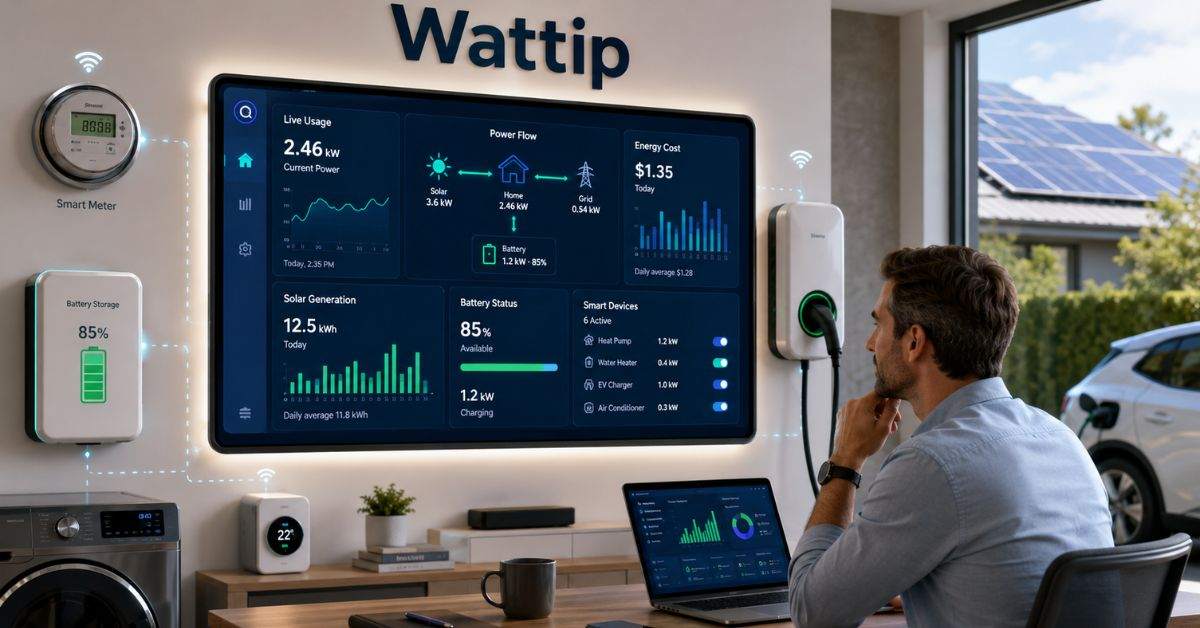
Wattip is best understood as an emerging smart-energy concept rather than one clearly established worldwide product. It is linked with systems that collect electricity data and turn it into useful information for homes and businesses. Users may see current power use, estimated costs, sudden spikes, and solar or battery activity. The goal is to show where energy is going.
How Does It Work?
A configuration similar to Wattip might use a smart meter, current sensor, plug-in monitor or circuit reader. The hardware measures electricity flow and sends readings to an app or dashboard. Software then creates charts, cost estimates, and alerts.
| Stage | What Happens | Result |
| Measurement | A sensor reads power flow | Current usage data |
| Transfer | Readings move to an app | Quick updates |
| Analysis | Software finds patterns | Waste becomes visible |
| Action | Habits or settings change | Better control |
Some devices measure appliances directly, while others estimate usage from the property’s total load. Direct measurement is usually more accurate.
Main Features
A useful Wattip platform should provide information that leads to action, not only attractive graphs.
Important features may include:
- Live and historical readings
- Cost estimates
- Alerts for unusual use
- Device or circuit monitoring
- Solar and battery tracking
- Downloadable reports
- Privacy controls
Some services also connect with thermostats, lights, and chargers. Compatibility should be checked before purchase.
Benefits for Homes
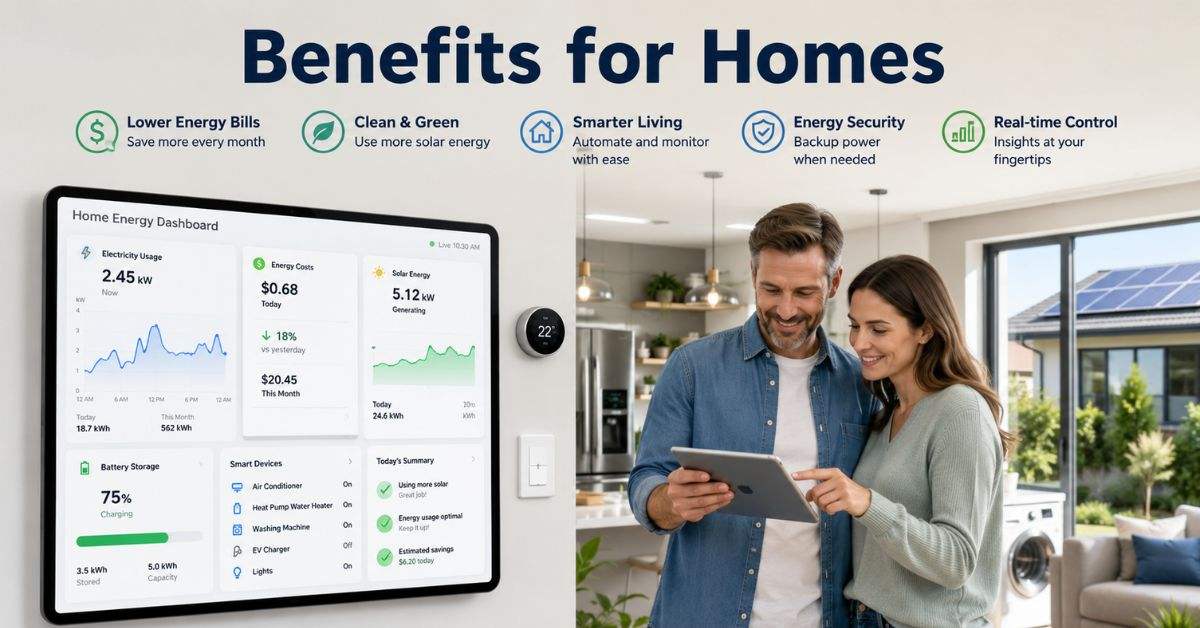
Smart monitoring can reveal that a freezer runs too often, a water heater operates during costly hours, or devices stay active overnight. It can support budgeting, fault detection, and better solar use. Savings happen only when users change schedules, repair equipment, or reduce waste. Families with solar panels can also use energy data to decide when to run washing machines, charge batteries, or power electric vehicles. Using electricity when solar production is high may reduce the amount of energy purchased from the grid.
Uses for Businesses
Businesses may compare power use across machines, working hours, or locations. Wattip may help managers find equipment that runs after closing or consumes too much energy.
Common business uses include:
- Comparing energy use between sites
- Finding machines left running
- Detecting unusual equipment behavior
- Reducing demand peaks
- Measuring efficiency improvements
A store could check lights after closing, while a factory could compare machine use with production output. A sudden rise may signal a fault. Monitoring can also help businesses measure whether new lighting, cooling equipment, or machinery is actually reducing energy use.
Smart Monitoring vs. Monthly Bills
A monthly bill provides a total amount due but offers minimal daily detail. Connected monitoring provides faster information.
| Area | Monthly Bill | Smart Monitoring |
| Timing | Shows past use | Shows near-real-time use |
| Detail | Whole-property total | May show devices or circuits |
| Alerts | Usually unavailable | Warns about unusual activity |
| Decisions | Based on old totals | Based on current patterns |
| Automation | Not included | Possible with smart devices |
Wattip is most valuable when users need to know not only how much electricity was consumed but also when and why it was used. A monthly bill may show that energy use increased, but it may not explain the reason. A monitoring dashboard can provide more detail and help users investigate the change quickly.
Challenges and Limitations
Smart energy systems have limits. Hardware may not work with every meter, some devices need professional installation, and cloud services may charge fees.
Users should check
- Meter compatibility
- Installation needs
- Purchase and subscription costs
- Data accuracy
- Internet dependence
- Warranty and support
If Wattip uses software to identify appliances, the results may be estimated. Compare important readings with a trusted meter or smart plug. Internet problems may also delay updates. Cloud-based dashboards might stop working if the provider ends its service, so local data storage can be valuable.
Privacy and Security
Electricity records may reveal when a building is occupied, making privacy and cybersecurity important. A trustworthy Wattip service should encrypt data, protect accounts, explain data sharing, and provide updates. Users need unique passwords, while businesses should separate monitoring devices from sensitive networks. Users must read the privacy policy before registration. It should clearly explain what information is collected, how long it is stored, and whether it is shared with other companies.
Choosing a Reliable System
The name Wattip may be used differently online, so buyers should confirm that a real company, support service, and technical product exist before paying.
Before choosing a system, ask:
- Is there an official company website?
- Are supported meters listed?
- Are readings measured or estimated?
- Can users download their data?
- Is a paid cloud service required?
- Are security updates promised?
- What happens if the provider closes?
Start with one smart plug or circuit to test accuracy before installing a larger system.
Buyers should also check return policies, warranty terms, app reviews, and installation instructions. Panel-mounted equipment should normally A qualified electrician should normally handle panel-mounted equipment. by a qualified electrician.
Future Potential in 2026
Energy technology is moving beyond basic charts. Artificial intelligence may predict demand, detect faults, and schedule batteries for cheaper hours.
Future WattIP systems could support the following:
- Smarter electric-vehicle charging
- Better use of solar power
- Automatic battery scheduling
- Heat-pump control
- Demand-response programs
- Early fault detection
The best platforms will combine accurate sensors, clear information, strong security, and user control. Future systems may also respond automatically to changing electricity prices. For example, a charger could wait until rates are lower, while a battery could store power when solar production is high.
FAQs
Is Wattip a confirmed worldwide product?
It is better treated as an emerging smart-energy term. Verify official company information before buying.
Can it reduce electricity bills?
It may reveal waste, but savings depend on user actions, prices, and equipment.
Can it identify every appliance?
No. Smart plugs measure devices directly, while software may only estimate usage.
Can it work with solar panels?
A compatible system may track solar generation, battery activity, and grid power.
Is an electrician required?
Plug-in devices are usually simple, but panel-mounted sensors need a qualified professional.
Conclusion
Wattip turns technical readings into clear information. It may help households control consumption, help businesses find waste, and improve the use of solar panels, batteries, and chargers. However, users should examine compatibility, installation safety, accuracy, costs, cloud dependence, and privacy. Marketing promises should never replace verified specifications. Monitor one high-use appliance for a week, compare the readings with a trusted meter, and make one measurable change. This process can show whether Wattip-style monitoring offers real value.