

Introduction
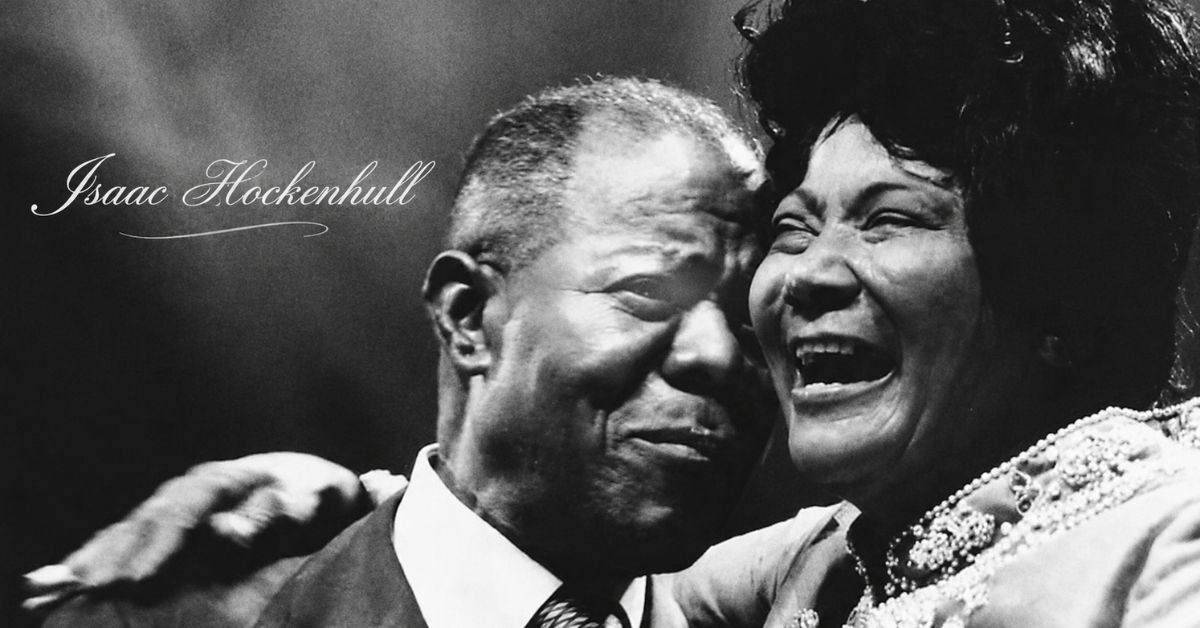
Many people search for Isaac Hockenhull because of his connection to gospel legend Mahalia Jackson, yet his personal journey reflects a wider American story shaped by migration, education, faith, and ambition. Born on November 15, 1901, in Como, Mississippi, he grew up during segregation and economic hardship. His parents, John Gray and Martha Mattie Ella Hockenhull, raised him in a faith-centered home that valued discipline and learning. Over time, he built a life that combined science, business, and public service. Although history often places him in the shadow of a famous singer, the life of Isaac Hockenhull reveals determination, complexity, and the challenges faced by many African American professionals in the early twentieth century.
Early Life in Mississippi
Isaac Hockenhull entered the world in rural Panola County at a time when most families depended on farming. Towns like Como were small but close-knit. Churches, schools, and family gatherings formed the center of community life.
His childhood likely included:
- Attending segregated local schools
- Helping with household or farm chores
- Participating in church activities
- Learning strong moral and religious values
- Developing a desire for education beyond his hometown
These early influences shaped his discipline and ambition. Growing up in the South during the early 1900s required resilience, especially for African American families facing racial inequality.
Family Background and Values
The parents of Isaac Hockenhull believed education offered a path toward opportunity. During this era, most African Americans lacked access to higher education, yet some families encouraged academic growth despite social barriers.
Family information is summarized below:
| Detail | Information |
| Full Name | Isaac Lane Gray Hockenhull |
| Date of Birth | November 15, 1901 |
| Birthplace | Como, Mississippi |
| Father | John Gray Hockenhull |
| Mother | Martha Mattie Ella Hockenhull |
Strong faith, discipline, and community respect were key parts of his upbringing. These values would later influence his professional life and personal decisions.
Education and Professional Goals
At a time when college degrees were rare among African Americans, he pursued studies in chemistry. This was a remarkable achievement in the early twentieth century. Science education required advanced study, laboratory work, and critical thinking skills.
His education prepared him for:
- Understanding chemical formulas
- Developing cosmetic products
- Managing small business operations
- Communicating confidently in professional settings
- Competing in a challenging job market
Higher education gave Isaac Hockenhull social mobility and the ability to seek better opportunities outside Mississippi.
Moving to Chicago During the Great Migration
During the Great Migration, millions of African Americans relocated from the rural South to northern cities. Like many others, Isaac Hockenhull moved to Chicago in search of broader career prospects. Chicago’s Bronzeville neighborhood was known for culture, music, and business growth.
The move offered
- Access to better-paying jobs
- A growing Black middle class
- Cultural energy and artistic development
- Greater independence from Southern racial restrictions
- Entrepreneurial opportunities
This relocation marked a turning point in his life, placing him in one of the most important Black urban communities in America.
Career and Business Ventures
In Chicago, he balanced stable employment with entrepreneurial ambition. He worked as a postal carrier while also creating beauty and haircare products using his chemistry knowledge.
His professional roles are compared below:
| Occupation | Main Responsibility | Purpose |
| Postal Worker | Delivering mail across city routes | Steady government income |
| Beauty Product Developer | Formulating and selling cosmetics | Business growth and extra earnings |
Managing two careers during the Great Depression demonstrated persistence and adaptability. Economic survival during the 1930s required creativity, especially for minority entrepreneurs.
Marriage to Mahalia Jackson
In 1936, Isaac Hockenhull married Mahalia Jackson, who would later become one of the most influential gospel singers in history. At the time of their marriage, she was still building her career.
Their partnership combined
- His scientific and business background
- Her deep religious faith and musical talent
- Shared hopes for financial stability
- Different views on professional direction
- A desire for long-term success
While he believed in practical financial planning, she prioritized her spiritual calling. These differences eventually created tension.
The Musical Disagreement
One of the most discussed issues in their marriage involved music choices. During the 1930s, blues music often paid more than gospel performances.
A comparison of their perspectives is shown below:
| Topic | Blues Music | Gospel Music |
| Income | Higher earnings | Lower earnings |
| Performance Venues | Clubs and theaters | Churches |
| His View | Financial security | Limited profit |
| Her View | Spiritually inappropriate | Sacred mission |
Mahalia Jackson remained committed to gospel music, believing it was her divine purpose. Isaac Hockenhull viewed blues as a practical financial opportunity. This disagreement reflected broader cultural debates of the time.
Financial Strain and Divorce
Almost every American home was impacted by the Great Depression. Reports suggest financial tension increased within their marriage. In addition to economic challenges, personal differences added pressure.
Contributing factors included
- Risky financial decisions
- Business instability
- Differing attitudes toward money
- Stress from multiple responsibilities
- Conflicting life priorities
In 1941, the couple divorced. The separation was relatively private, and neither publicly criticized the other.
Later Years and Private Life
After the divorce, Isaac Hockenhull chose a quieter life in Chicago. He continued working and avoided public attention. Meanwhile, Mahalia Jackson rose to international fame, performing worldwide and becoming a symbol of gospel music. Despite his connection to a global icon, he did not attempt to profit from her celebrity status. His later years reflected dignity and independence.
Why His Story Matters Today
Understanding Isaac Hockenhull helps readers see history beyond famous headlines. His life represents the experience of educated African American men during a time of migration, segregation, and economic hardship.
His journey highlights
- The importance of education
- The courage to relocate for opportunity
- The challenges of balancing faith and finance
- The realities of marriage under stress
- The value of personal resilience
Although not widely known, Isaac Hockenhull remains an important figure connected to American music history and the broader story of Black entrepreneurship in the twentieth century.
FAQs
Who was Isaac Hockenhull?
He was a chemist, postal worker, and the first husband of Mahalia Jackson.
When was he born?
November 15, 1901.
Where was he from?
Como, Mississippi.
Why did his marriage end?
Financial stress and disagreements about music careers.
Did he remain famous later in life?
No, he lived privately after the divorce.
Conclusion
The life of Isaac Hockenhull began in rural Mississippi and unfolded in one of America’s most vibrant urban centers. Through education, entrepreneurship, and public service, he built a meaningful life during a period of major national change. His marriage to Mahalia Jackson places him in celebrity history, yet his personal achievements deserve recognition on their own. Studying Isaac Hockenhull allows us to better understand the human stories behind cultural legends and reminds us that history is shaped not only by stars but also by those who walked beside them.