

Introduction
THCA isolate powder has become a popular topic in 2026 because many people are learning about hemp-derived ingredients, cannabis food products, and lab-tested concentrates. It is known for its clean, refined form, but it is also strong and needs careful handling. In the food space, readers want to know what it is, how it changes with heat, whether it is legal, and how to check product quality before buying. This guide explains THCA isolate powder in a clear and helpful way, with safety, testing, storage, and legal points included.
What Is THCA Isolate Powder?
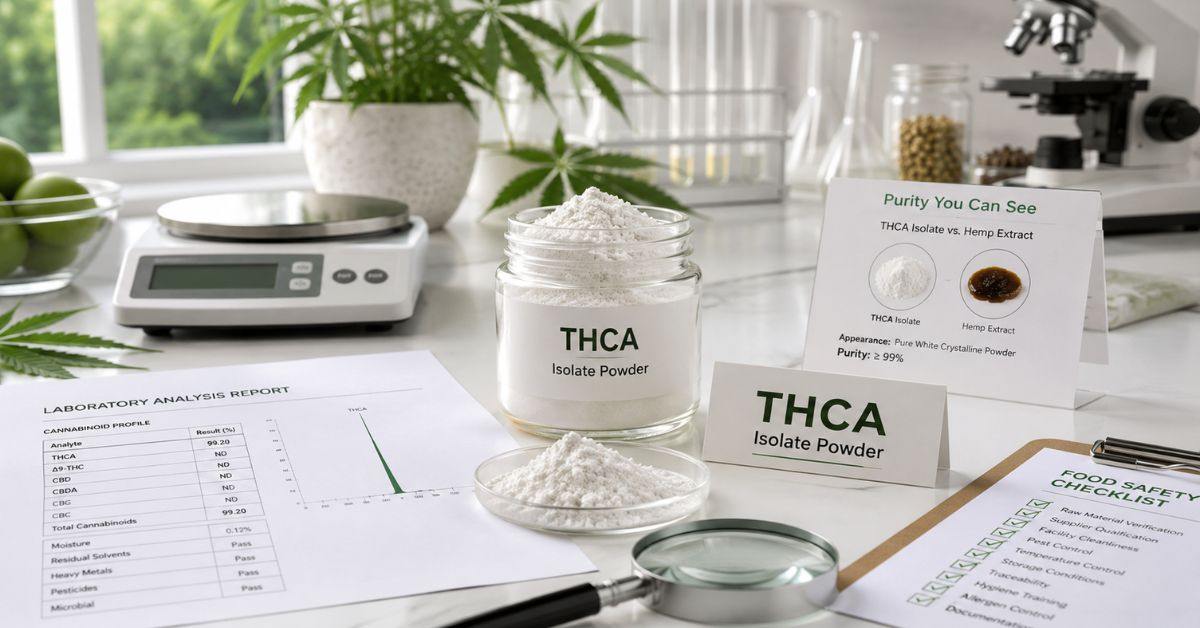
THCA isolate powder is a purified cannabis or hemp extract, and is usually a white or light crystalline powder. THCA stands for tetrahydrocannabinolic acid. It is found naturally in raw cannabis plants before heat changes it into THC.
THCA and THC are connected, but they are not the same. THCA is often described as non-intoxicating in its raw form. THC is the compound most people connect with the “high” from cannabis. The key difference is heat. When THCA is heated, it can convert into THC through a process called decarboxylation. This is why THCA isolate powder must be understood carefully in food-related discussions. A cold product and a heated product may not act the same way. Baking, cooking, smoking, or high heat can change the compound.
Why People Are Talking About It in Food
Food and wellness trends in 2026 focus more on clean labels, tested ingredients, and clear product information. Many consumers no longer want vague cannabis products. They want to know what is inside, how strong it is, and whether it has been tested.
At the same time, cannabis-derived food products are complex and not straightforward. The FDA says THC and CBD products are excluded from the dietary supplement definition, and foods with added THC or CBD cannot be legally sold in interstate commerce under current federal rules. This makes safety and compliance very important for any cannabinoid product connected to food. For readers, THCA isolate powder should not be treated like a normal kitchen ingredient. It is a high-strength cannabinoid concentrate. That means product labels, lab reports, storage, and legal rules matter a lot.
THCA vs THC: Main Differences
THCA and THC are often confused because their names look similar. However, the way they work can be different. Uncooked cannabis contains the acid form THCA. THC is formed when THCA is exposed to heat.
| Feature | THCA | THC |
| Main form | Raw acidic cannabinoid | Heated or converted cannabinoid |
| Intoxicating effect | Usually non-intoxicating before heat | Intoxicating |
| Heat reaction | Can convert into THC | Already active THC form |
| Food concern | Can change during cooking | Stronger safety and legal concern |
| Label issue | Must check total THC | Must check THC amount |
This table shows why THCA isolate powder needs careful review. A product may look simple, but heat can change its chemical profile.
Food Use: What Readers Should Understand
Some people search for THCA isolate powder because they want to understand how it may fit into food or edible-style products. However, this topic should be handled with care. It is not the same as adding herbs, spices, or vitamins to food. The bottom line is that heat can turn THCA into THC. This means any heated food process may change the product’s effects and legal status. Cold handling may reduce that risk, but it does not remove the need for testing, labeling, and legal review.
A responsible food business should never rely solely on supplier claims. It should confirm the product with lab results, review local laws, and avoid making health promises. NCCIH notes that research on cannabis and cannabinoids is still developing, and only certain cannabinoid medicines are approved for specific medical uses.
Safety Checklist Before Buying
Before buying THCA isolate powder, the first step is checking whether the product is properly tested. A certificate of analysis, also called a COA, is one of the most important documents. It should come from an independent lab, not just the seller. A valid COA should show cannabinoid levels, total THC, batch number, and contaminant testing. This matters because cannabis plants can absorb substances from soil, air, and processing materials.
Important safety checks include:
- Confirm the product has a recent third-party lab report.
- Ensure that the batch number on the package matches the COA.
- Check for heavy metals, pesticides, solvents, mold, yeast, and bacteria.
- Avoid products with medical cure claims or unclear labels.
- Keep the product away from children, pets, and anyone who should not access cannabis products.
These checks help buyers avoid low-quality or risky products. THCA isolate powder should always be reviewed as a potent ingredient, not a casual supplement.
Lab Testing Table for Better Buying
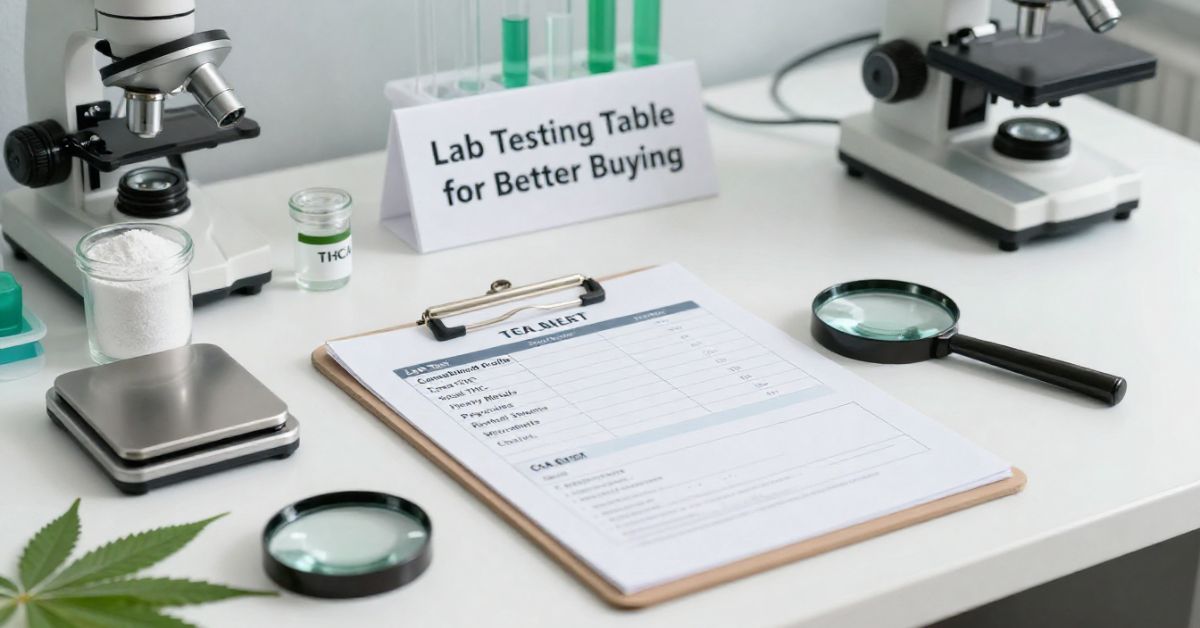
Lab testing is not just a bonus. It is one of the strongest trust signals for cannabis-derived products. Without a proper COA, buyers cannot easily know what is really inside.
| Lab Test | What It Checks | Why It Matters |
| Cannabinoid profile | THCA, THC, CBD, and other cannabinoids | Shows strength and product makeup |
| Total THC | Combined THC risk after conversion | Important for legal review |
| Heavy metals | Lead, mercury, arsenic, cadmium | Helps protect consumer safety |
| Pesticides | Farm chemical residues | Important for plant-based products |
| Residual solvents | Leftover extraction chemicals | Shows cleaner processing |
| Microbials | Mold, yeast, bacteria | Important for food safety |
If a seller does not provide these results, that is a warning sign. THCA isolate powder should be purchased only from transparent sources that provide clear testing.
Legal Notes for 2026
The legal side of THCA isolate powder is one of the most confusing parts. In 2026, buyers and businesses should pay close attention to total THC rules. Some laws and proposed changes focus not only on delta-9 THC but also on THCA and other forms that can convert into THC. Legal updates in the United States have increased concern around hemp-derived cannabinoids, especially products that may become intoxicating after heating or conversion. Some 2026 legal discussions focus on stricter definitions of hemp and limits involving total THC.
Laws can also change by state, country, and product type. A product allowed in one place might be forbidden in another. For this reason, buyers should check local rules before ordering, selling, or using cannabinoid products in food.
Storage and Handling Tips
Proper storage helps keep cannabinoid products stable for longer. Heat, light, air, and moisture can affect quality. Since THCA can change when heated, storage conditions are especially important. THCA isolate powder should be kept in a sealed container in a cool, dry, and dark place. It should not be stored near ovens, windows, hot counters, or damp areas. The container should also be clearly labeled to avoid confusion.
Safe handling matters too
- Use clean tools and avoid mixing it with regular food ingredients by mistake.
- Do not leave it on open counters or in shared kitchen spaces.
- Store it in child-resistant packaging whenever possible.
- Keep records of batch numbers and lab reports.
- Do not transfer it into unlabeled jars or bags.
Good storage protects quality and reduces accidents. It also supports better food-safety practices.
Common Mistakes to Avoid
Many people make mistakes because they only read product marketing. Seller pages may focus on purity, strength, and possible uses, but they may not explain legal limits, heating risks, or food safety clearly. One common mistake is assuming THCA will always stay THCA. That is not correct. Heat can change it into THC. Another mistake is ignoring total THC. Some buyers only look at delta-9 THC, but total THC can matter in testing and legal review.
A third mistake is trusting products without lab reports. THCA isolate powder may look clean, but appearance does not prove safety. Only proper testing can show what is inside.
Who Should Be Extra Careful?
Some people should be cautious around cannabinoid products. This includes people who are pregnant, breastfeeding, underage, taking medication, or sensitive to cannabis compounds. People who drive, operate machines, or work in jobs with drug testing should also be cautious.
Businesses should be even more careful. If a food brand wants to discuss or handle THCA isolate powder, it should speak with legal and compliance experts first. Packaging, labeling, age limits, testing, and local rules can all affect whether a product is allowed. FDA warning letters show that regulators continue to watch cannabis-derived products, especially when companies make unsafe claims or sell products in ways that may confuse consumers.
Final Buying Guide
A smart buyer should slow down before choosing THCA isolate powder. Do not buy only because a product says “pure,” “premium,” or “high strength.” Those words mean little without proof. Look for a trusted seller, a clear COA, proper packaging, and honest product information. Avoid companies that promise guaranteed health results or hide testing details. Reputable brands provide clear explanations about the product’s nature, its limitations, and safe handling procedures.
Before buying, ask these questions:
- Is this product legal in my area?
- Does the COA match the batch number?
- Does the lab report show total THC?
- Are contaminant tests included?
- Is the label clear and honest?
These questions help protect both safety and money. They also make it easier to compare products without falling for hype.
FAQs
Is THCA isolate powder the same as THC?
No. THCA is the raw acidic form. THC is the converted form that is linked with intoxicating effects.
Can THCA change into THC?
Yes. Heat can convert THCA into THC through decarboxylation.
Is THCA isolate powder legal everywhere?
No. Laws vary by location, product type, and total THC rules.
Why is lab testing important?
Lab testing shows cannabinoid strength and checks for contaminants like metals, pesticides, solvents, and microbes.
Can it be treated like a normal food ingredient?
No. It is a potent cannabis-derived concentrate and needs careful legal, safety, and testing review.
Conclusion
THCA isolate powder is an important 2026 topic because it connects cannabis science, food safety, product testing, and changing laws. It may look like a simple white powder, but it is a strong cannabinoid concentrate that needs careful handling. The biggest things to understand are heat conversion, lab testing, total THC, storage, and local law.
For readers, the safest next step is to avoid hype and focus on proof. Check the COA, confirm legal rules in your area, and never trust vague product claims. Businesses: Talk to a compliance professional before using or marketing any cannabis element in food. A careful approach helps protect safety, trust, and long-term value.